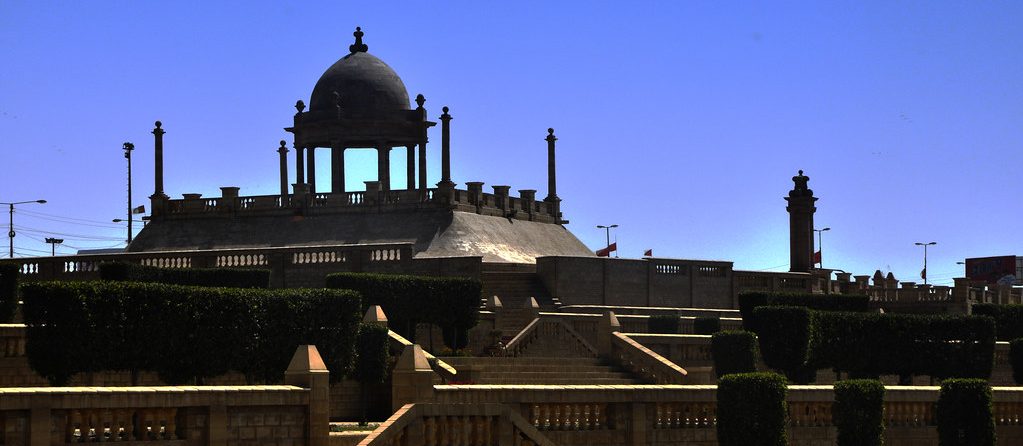
On my visit to Zainab Market this month, I witnessed a rather thought-provoking aspect of Karachi’s economic and social order. Soon, out of my own curiosity, I set forth to visit several other local bazaars, such as the Rabi Centre, to cross-examine my own observation. Interestingly, my observation held its place – I noticed that there was visibly an uneven distribution of gender in the informal sector of Karachi. Although some of these local bazaars are even named after women, the latter are rarely seen on the selling end of the informal sector. “Women in many countries find themselves unable to compete equally for work, either in the formal labor market or in the far more extensive informal labor market of low-paid and frequently temporary jobs” (Lessinger, 1986, p. 581). In order to understand the dynamics of the gender inequality in the local market, it is essential to dwell upon the factors leading to such circumstances.
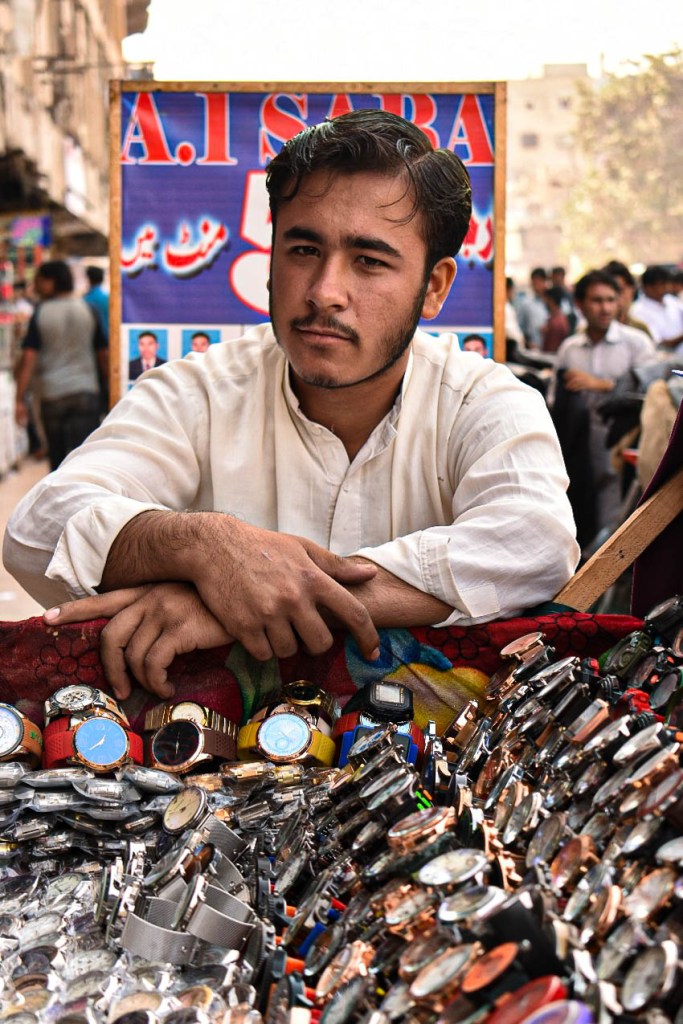
To begin with, culture and tradition play an integral role in the overall state and well-being of any given society. Similarly, the daily reinforcement of patriarchy is embedded in the upbringing and lifestyle of any local resident. And since, these individuals serve as the building blocks of society, the spread of patriarchal ideas find its way in the market place through human interaction. Thus, making the informal sector patriarchal, too, with mostly men owning shops or smaller businesses and women serving as consumers. In fact, when “discussing the exclusion of women from the labor market, many feminist social scientists have blamed patriarchy – the complex of ideology and institutions maintaining male privilege” (Lessinger, 1986, p. 582).
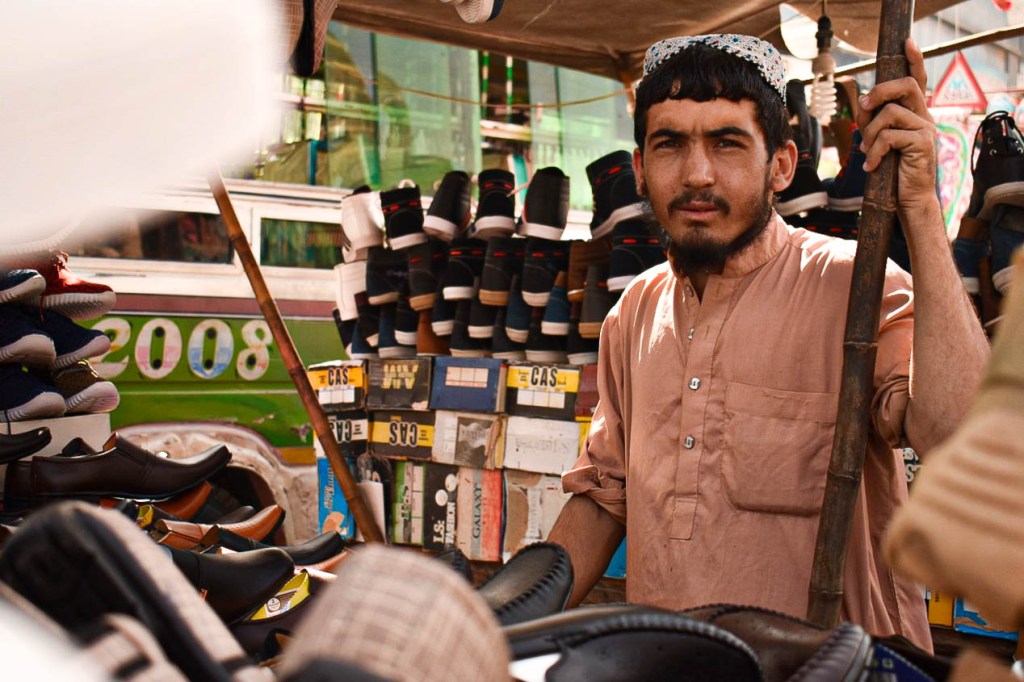
Moreover, the traditional mindset associating women with domestic work and men with external economic affairs has created a strong and evident divide between the two genders. Women, especially “their presence in the highly public marketplace and their activities as traders were viewed as slightly inappropriate, subtly wrong, and definitely dangerous to their chastity and womanly virtue” (Lessinger, 1986, p. 583). Not surprisingly so, it is believed that “‘good’ women demonstrate their chastity and devotion by remaining at home engaged in unpaid domestic work” (Lessinger, 1986 p. 583). This way of thinking, including practical “domestic responsibilities” such as “care of infants” – which proves to be “most taxing” in itself (Lessinger, 1986, p. 589), serves as a barrier in the way of adult women occupying ownership in the informal sector.
Secondly, the security of women always remains an issue of concern because “ideologically, women who must work outside their homes still face extensive sexual harassment” (Lessinger, 1986, p. 588). This is majorly why women are usually escorted to local bazaars by men of their respective families even when it comes to something as simple as shopping. Indeed, the idea of dependency on male counterpart is fairly significant. Quite often, these escorted women look down upon the few women who are seen selling dry fruits or any commodity outside Empress Market or other local bazaars.
Furthermore, it becomes increasingly difficult for women to get hired under the vigilance of male bosses as “a desire for security and the fear of harming their reputations” also become “determining factors in women’s refusal to work overtime after sunset even if such work is substantially better paid” (Shaheed, Purdah and Poverty in Pakistan, 1989, p. 23). Likewise, “girls are also not available as hired hands to assist adult market women” (Lessinger, 1986, p. 592) because they are considered eligible for marriage or are engaged and working outside in the open market may bring a bad name to the soon-to-be in-laws.
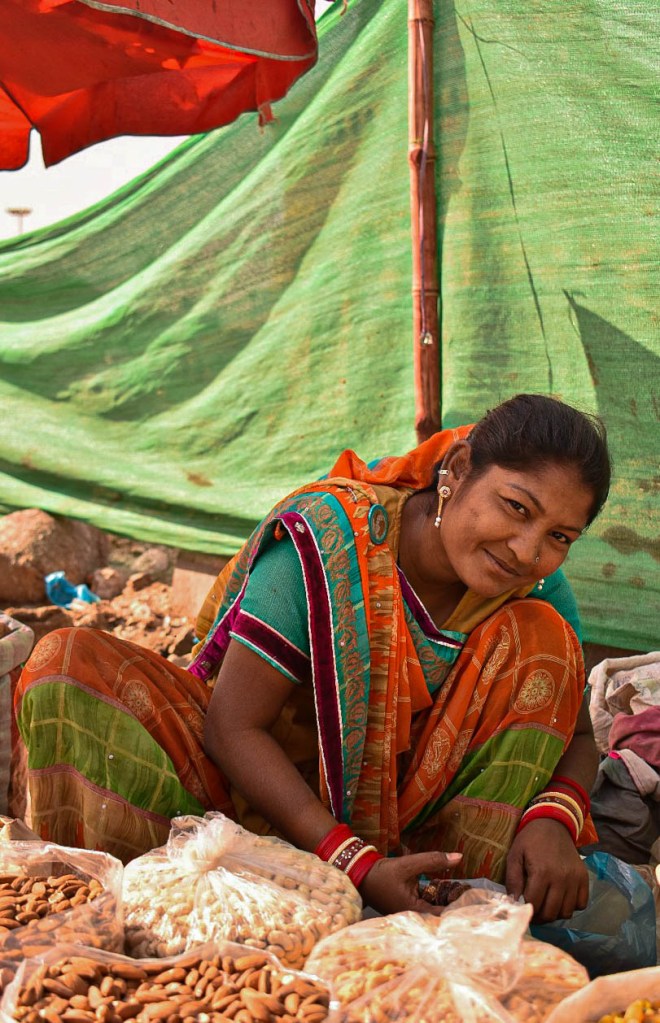
Another force that poses a restriction on the participation of women as active sellers in Karachi is the practice of purdah. “As an institution, purdah serves to divide and therefore define spaces: the public and private, the exterior and interior, the male and female” (Shaheed, Purdah and Poverty in Pakistan, 1989, p. 18). “Where work increases exposure to males and public visibility, it reduces the likelihood of women participating. As a result, one rarely finds women in Pakistan employed as shop attendants, vendors or hawkers” (Shaheed, Poverty in Pakistan, 1989, p. 21). Women also maintain distance from men who are not part of their immediate family and in doing so, refrain from interacting with other men which is a direct disadvantage as interaction with other vendors is an asset of the local market when it comes to trading. Men, too, are hesitant to interact for reasons such as underestimating the skills of women and perceiving domestic handling to be inferior and different than practical local market trading. In this sense, women are not exposed to market strategies as “formal vocational institutes cater almost exclusively for men” (Shaheed, Poverty in Pakistan, 1989, p. 22).
While the informal sector is unwelcoming to women, it is absolutely closed for the transgender community, who are victims of unwanted stares even when entering the market as consumers. Thus, they are mostly confined to begging. In my opinion, begging (the most backward institution of any society) is the only sector whereby, inequality remains missing. As is the case in Ecuador, in Karachi (too), there are “young women [who] circulate the streets with babies strapped to their backs while asking passers-by” for help” (Swanson, 2007, p. 711), there are those who are crippled, those who are barely teenagers, those who are young women, and even those who are young men. Hence, the irony remains intact.
References:
1) Lessinger, J. (2007). Work and Modesty: The Dilemma of Women Market Traders in South India. Feminist Studies, 12, 581–600. Retrieved from https://www.jstor.org/stable/3177914
2) Swanson, K. (2007). Revanchist Urbanism Heads South: The Regulation of Indigenous Beggars and Street Vendors in Ecuador. Department of Geographical and Earth Sciences, 711
3) Shaheed , F. (1989). Purdah and Poverty in Pakistan . In Women, Poverty, and Ideology in Asia (pp. 17–39). Hampshire and London: THE MACMILLAN PRESS.
4) All photographs are clicked by Alina Baig
 From City to City